Suriname (2024)
This research does not claim to speak on behalf of Indigenous communities, instead it listens.
Sounds Resilient: The Maraca as an Anchor for Indigenous Identity in Northern Suriname.
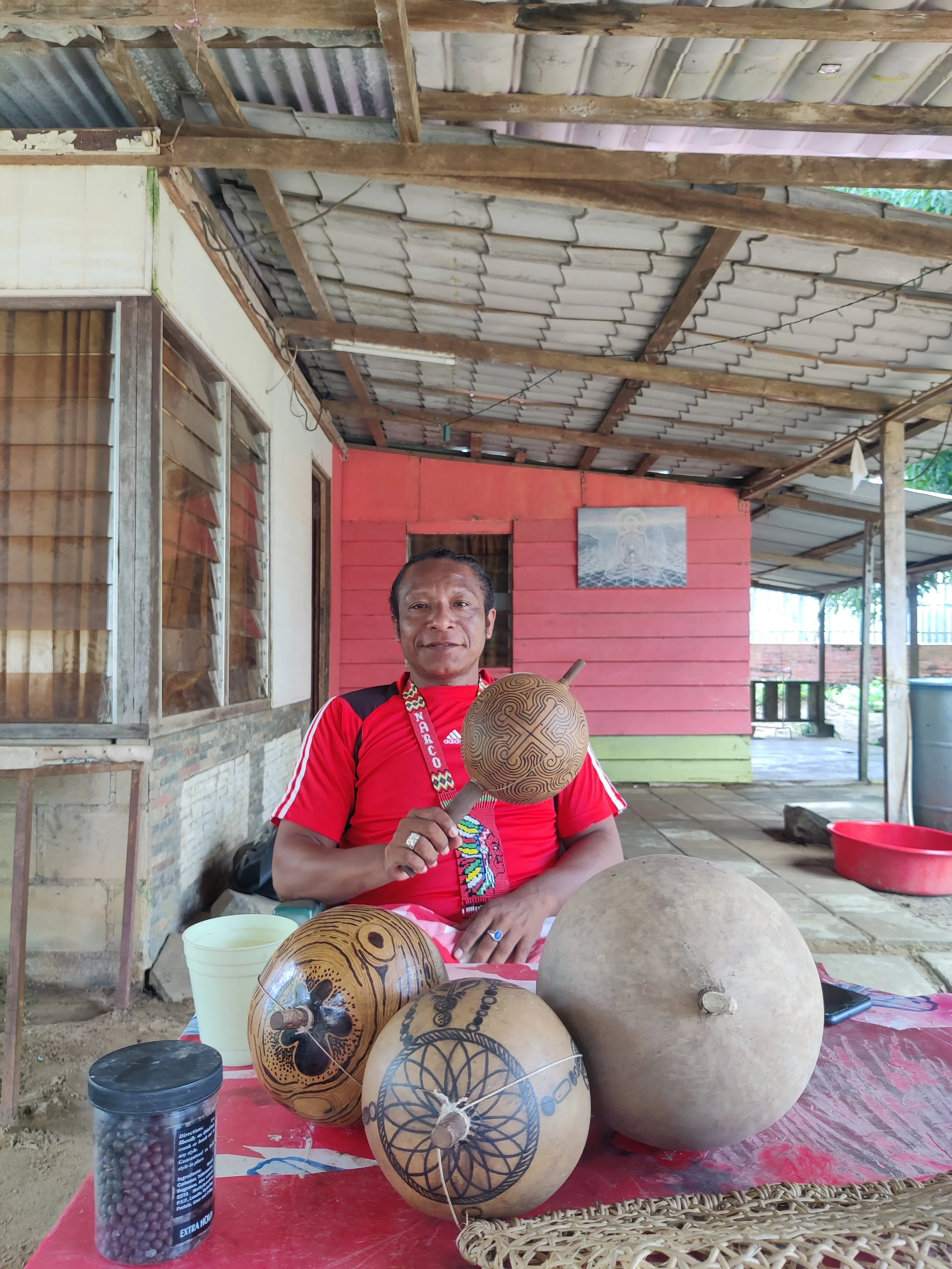
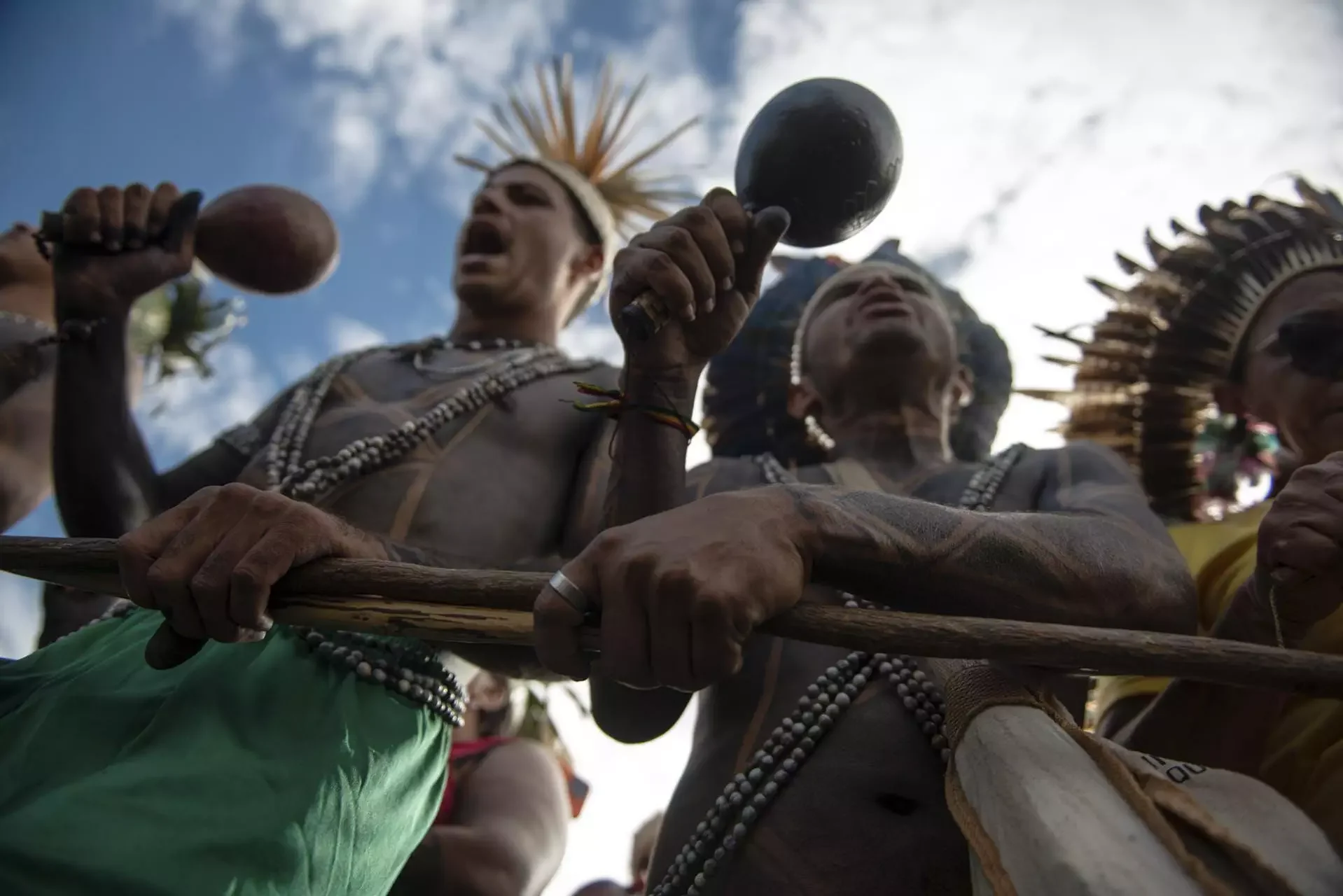
This research focuses on the maraka as a cultural and spiritual anchor for the Lokono and Kalina, two Indigenous communities of the Northern ‘lowland’ part of Suriname. Although the maraca is often seen as merely a musical instrument, this study shows that it carries a far deeper meaning. The maraca functions as an anchor of memory and identity, a symbol of resilience, and a means of passing knowledge and values on to next generations.
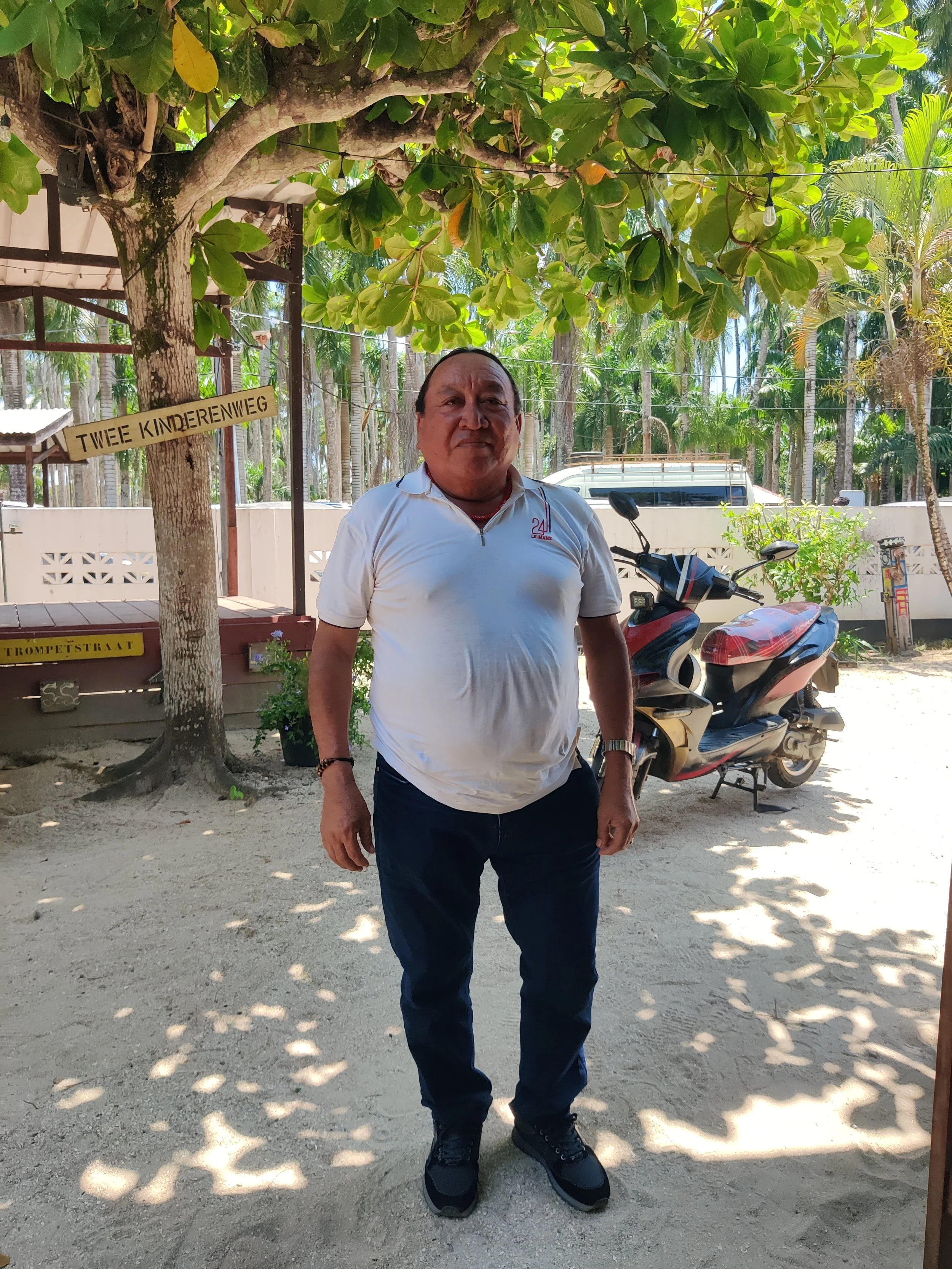
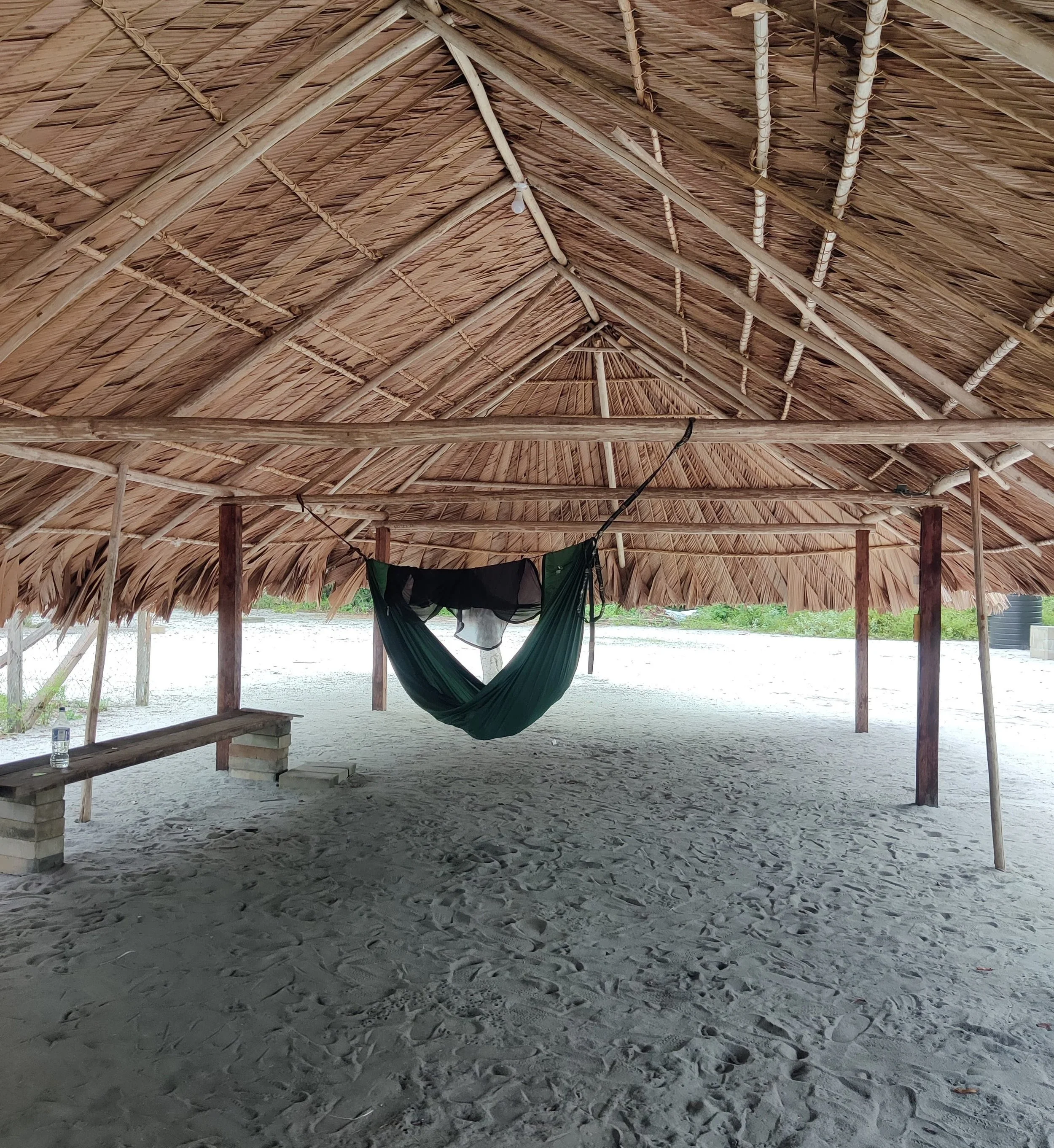
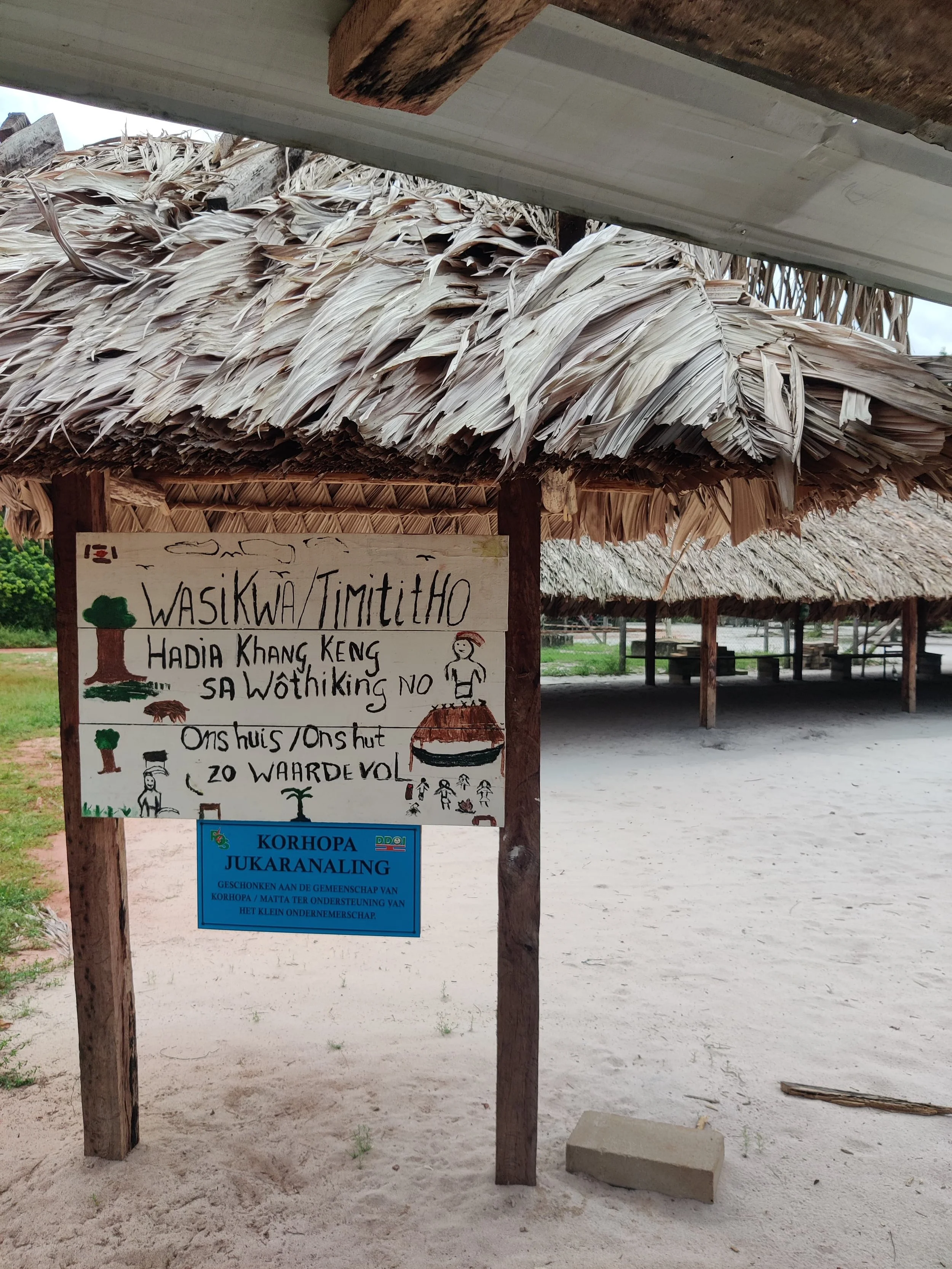
The research is based on ethnographic fieldwork conducted in the Lokono village of Matta and in the capital of Paramaribo, with the voices of three knowledge keepers at its core. Their stories reveal how the maraca acts as a bridge between past and future, gradually gaining new meaning within rituals, music, and activism. In this context, the maraca is not only a source for sound-creation, but also a way to connect with the spiritual world, strengthen social bonds, and gaining political visibility.
The study situates these findings within a broader theoretical framework drawn from ethnomusicology, anthropology, psychology and postcolonial studies. These perspectives help to show how the maraca is more than an object: it lives within rituals, stories, and social relationships. At the same time, the research highlights how Indigenous cultures, despite colonial legacies and ongoing marginalization, develop their own forms of modernity and cultural continuity.
What evolves in the study is an understanding of identity as something which is dynamic. Indigenous communities face land dispossession, economic pressure, and cultural assimilation, yet the maraca remains as one of their powerful symbol of resistance. It resonates in ceremonies and rituals, but also in schools, cultural groups, and on stages, where it teaches new generations to take pride in their heritage. In this way, the maraca represents a movement that connects tradition and modernity while actively resisting cultural erasure.
This research is a call to place Indigenous voices at the center and to recognize their cultural anchors as foundations for identity, justice, and the future. The maraca does not only create sounds as an instrument, but as a declaration of strength and resilience in a ever-changing world.
Interested in the full thesis? Please send me an e-mail [here] for a copy